
IT Great Falls - Is Your Business Ready for the New 2026 Cybersecurity Requirements? Here's Your Quick-Start Guide
As we kick off 2026, Montana businesses are facing a dramatically different cybersecurity landscape. New federal regulations, evolving compliance requirements, and increasingly sophisticated threats h
Is Your Business Ready for the New 2026 Cybersecurity Requirements? Here's Your Quick-Start Guide
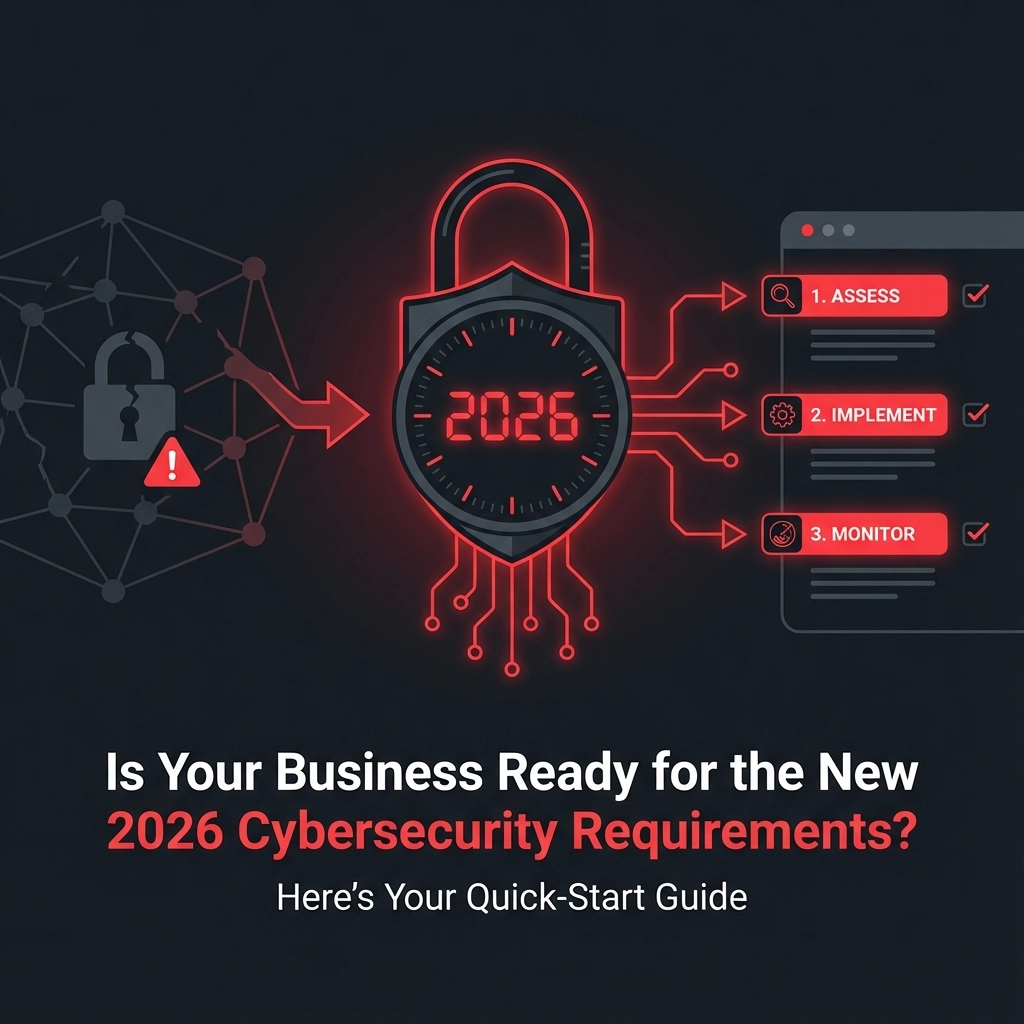
As we kick off 2026, Montana businesses are facing a dramatically different cybersecurity landscape. New federal regulations, evolving compliance requirements, and increasingly sophisticated threats have transformed what it means to run a secure business. Whether you're operating a small firm in Great Falls or managing a growing enterprise across Big Sky Country, the cybersecurity standards that worked last year simply won't cut it anymore.
The good news? You don't need to panic or overhaul everything overnight. This practical guide breaks down exactly what's changed and gives you a clear roadmap to get compliant and secure without breaking the bank.
What Actually Changed in 2026?
The cybersecurity requirements hitting businesses this year aren't just suggestions: they're mandatory standards with real teeth. The Cybersecurity and Infrastructure Security Agency (CISA) has implemented stricter incident reporting requirements, meaning any security event that could impact operations must be reported within 72 hours. For Montana businesses handling healthcare data, financial information, or working with government contracts, compliance isn't optional anymore.
Additionally, cyber insurance providers have dramatically tightened their requirements. Most insurers now require multi-factor authentication, regular security training, and documented incident response plans before they'll even quote coverage. Given that the average ransomware attack costs small businesses $200,000, insurance isn't something you want to lose.
Essential Compliance Updates Every Montana Business Needs
Healthcare and Financial Services: If you handle patient information or payment data, HIPAA and PCI-DSS requirements have been strengthened with mandatory encryption for data in transit and at rest. This affects everyone from dental offices in Great Falls to regional banks across Montana.
Government Contractors: The Cybersecurity Maturity Model Certification (CMMC 2.0) is now fully enforced. Even small contractors supporting federal agencies must demonstrate specific security controls including network security monitoring, access management, and regular vulnerability assessments.
All Businesses: Data privacy regulations now require clear documentation of what personal information you collect, how it's stored, and your procedures for responding to data breaches. Montana businesses that previously flew under the radar need formal privacy policies and breach notification procedures.
Critical Infrastructure Upgrades You Can't Ignore
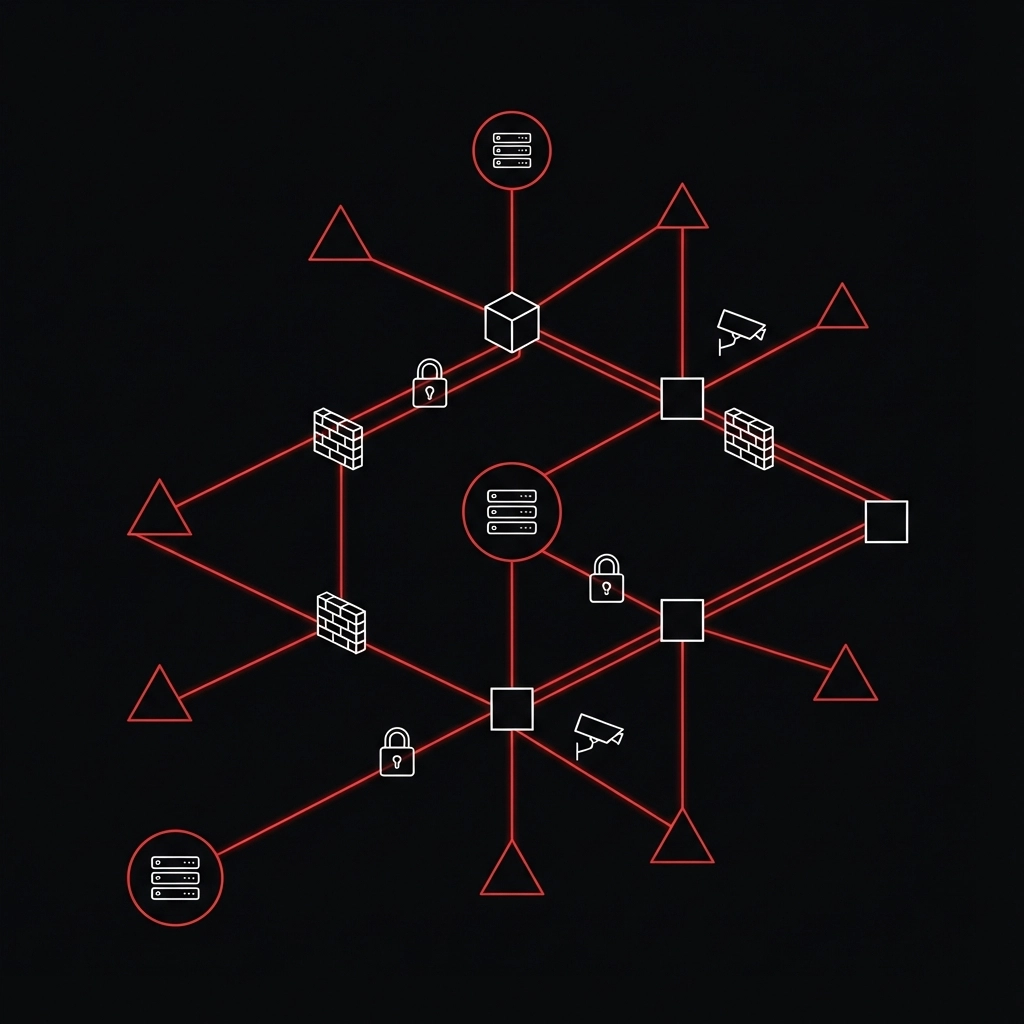
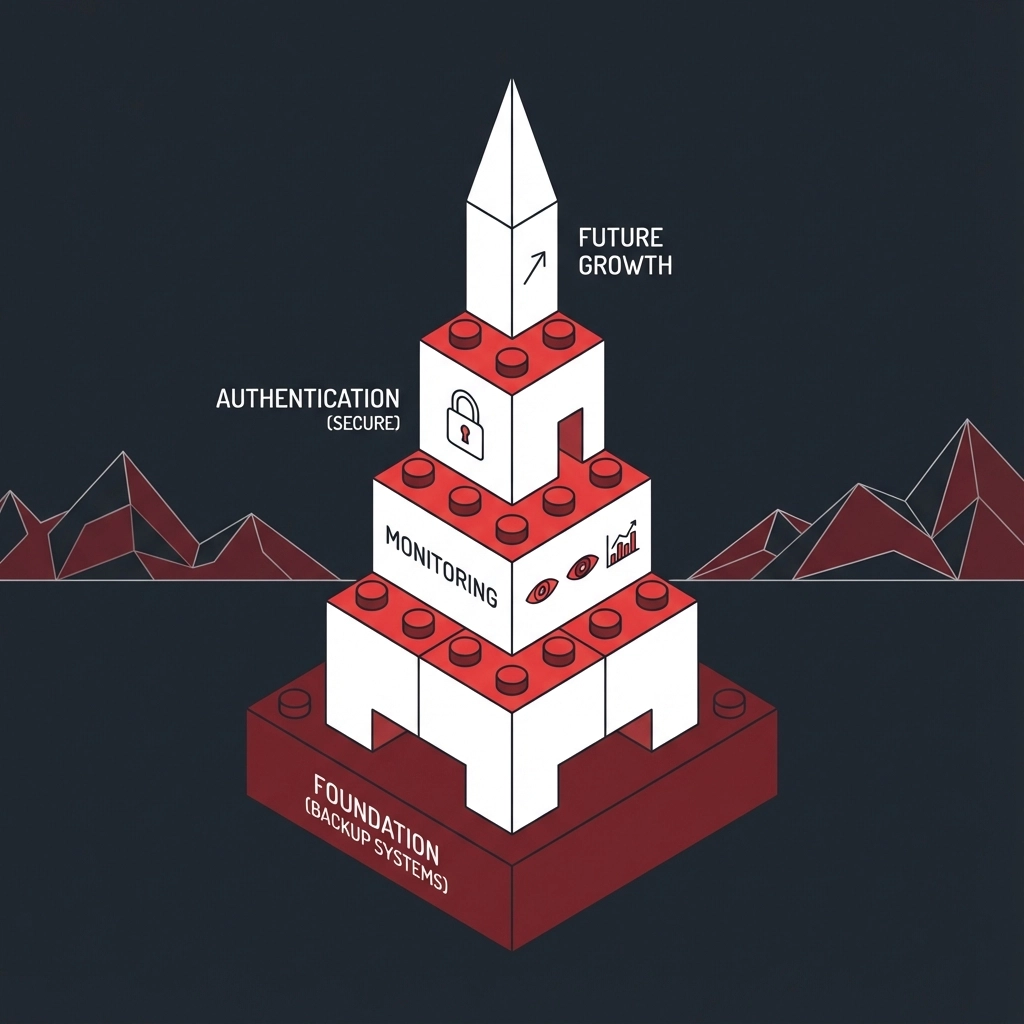
Network Security Modernization: Basic firewalls and antivirus software no longer meet minimum security standards. Modern network security montana requirements include next-generation firewalls with intrusion detection, endpoint detection and response (EDR) tools, and network monitoring that can identify unusual behavior patterns.
Multi-Factor Authentication: This isn't optional anymore. Every system containing business data: from email to accounting software: must require at least two forms of authentication. Password-only access is now considered a security vulnerability by most compliance frameworks.
Backup and Recovery Systems: The 3-2-1 backup rule (three copies of data, two different media types, one offsite) has become the minimum standard. Cloud-based backup solutions offer the reliability and geographic separation that Montana businesses need, especially given our state's weather-related risks.
Remote Access Security: With hybrid work here to stay, secure remote access through VPNs and zero-trust network architectures has shifted from nice-to-have to absolutely essential. Employees connecting from home, coffee shops, or while traveling need enterprise-grade security.
Policy and Procedure Requirements
Incident Response Planning: Every business needs a documented plan for identifying, containing, and responding to security incidents. This includes contact information for law enforcement, legal counsel, and your IT support team, plus step-by-step procedures for different types of breaches.
Employee Security Training: Annual cybersecurity awareness training is now mandatory for most compliance frameworks. Training must cover phishing recognition, password security, and proper handling of sensitive information. Documentation proving employees completed training is required for compliance audits.
Vendor Risk Management: Businesses must now formally assess the cybersecurity practices of any vendors who access their systems or data. This means due diligence questionnaires, security certifications, and regular reviews of third-party access.
Data Classification and Handling: Organizations need clear policies identifying what constitutes sensitive data and how different types of information should be stored, transmitted, and disposed of. This includes everything from customer records to employee information.
Emerging Technology Considerations
Artificial Intelligence Integration: AI-powered security tools are becoming standard for threat detection and response. These systems can identify unusual network behavior, automate incident response, and provide 24/7 monitoring that would be impossible with human staff alone.
Zero Trust Architecture: The traditional security model of trusting everything inside your network perimeter is dead. Zero trust assumes every user and device could be compromised and requires continuous verification of access requests.
Extended Detection and Response (XDR): This technology integrates security tools across your entire IT environment: endpoints, networks, email, and cloud services: providing a unified view of potential threats and automated response capabilities.
Practical Next Steps for Montana Businesses
Start with a Security Assessment: Before implementing new tools or policies, you need to understand your current security posture. A professional assessment identifies vulnerabilities, compliance gaps, and prioritizes improvements based on your specific risk profile.
Implement Quick Wins First: Multi-factor authentication, employee training, and basic backup procedures can be implemented quickly and provide immediate security improvements while you work on larger infrastructure projects.
Develop a Phased Implementation Plan: Don't try to tackle everything simultaneously. Prioritize based on compliance deadlines, risk levels, and available budget. Most businesses benefit from a 6-12 month implementation timeline for comprehensive security improvements.
Document Everything: Compliance auditors want to see policies, procedures, training records, and incident logs. Start documenting your security practices immediately, even if they're not perfect yet.
Building Resilient IT Infrastructure for Montana Businesses
The reality is that most Montana businesses lack the internal expertise to navigate these complex requirements alone. Managing IT services Montana providers can offer the specialized knowledge and 24/7 monitoring capabilities that modern cybersecurity demands.

The Benefits of Professional IT Consulting: Experienced IT consulting Montana professionals understand both the technical requirements and the business realities facing regional companies. They can design solutions that meet compliance requirements without overwhelming your team or budget.
Proactive vs. Reactive Approaches: The most successful businesses are shifting from fixing problems after they occur to preventing them entirely. Proactive monitoring, automated patch management, and continuous security assessments catch issues before they become costly incidents.
Scalable Solutions: Your cybersecurity needs will continue evolving. The best approach involves flexible solutions that can grow with your business rather than requiring complete overhauls every few years.
Why Local Expertise Matters
Working with cybersecurity services Montana providers who understand regional business challenges offers distinct advantages. They're familiar with local compliance requirements, understand the unique risks facing Montana businesses, and can provide responsive support when issues arise.
Data protection Montana specialists also understand the importance of maintaining business operations during security improvements. The goal isn't just compliance: it's building robust systems that support business growth while protecting against evolving threats.
Moving Forward with Confidence
The cybersecurity landscape of 2026 may seem daunting, but it's entirely manageable with the right approach and support. Montana businesses that take proactive steps now will not only meet compliance requirements but also position themselves for competitive advantages through improved operational efficiency and customer trust.
Remember, cybersecurity isn't just about preventing attacks: it's about building reliable, efficient systems that support your business objectives. When implemented correctly, these security improvements often result in better system performance, reduced downtime, and improved productivity.
The key is starting now and taking a systematic approach. Whether you're ready to begin with employee training, infrastructure assessments, or comprehensive security overhauls, the important thing is taking that first step.
At IT Great Falls, we've helped dozens of Montana businesses navigate these exact challenges. Our team provides the 24/7 reliability and proactive approach that modern cybersecurity demands, with tailored solutions designed for the specific needs of regional businesses. If you're ready to ensure your business meets 2026's cybersecurity requirements while building a foundation for future growth, we're here to help.
No comments yet. Login to start a new discussion Start a new discussion